

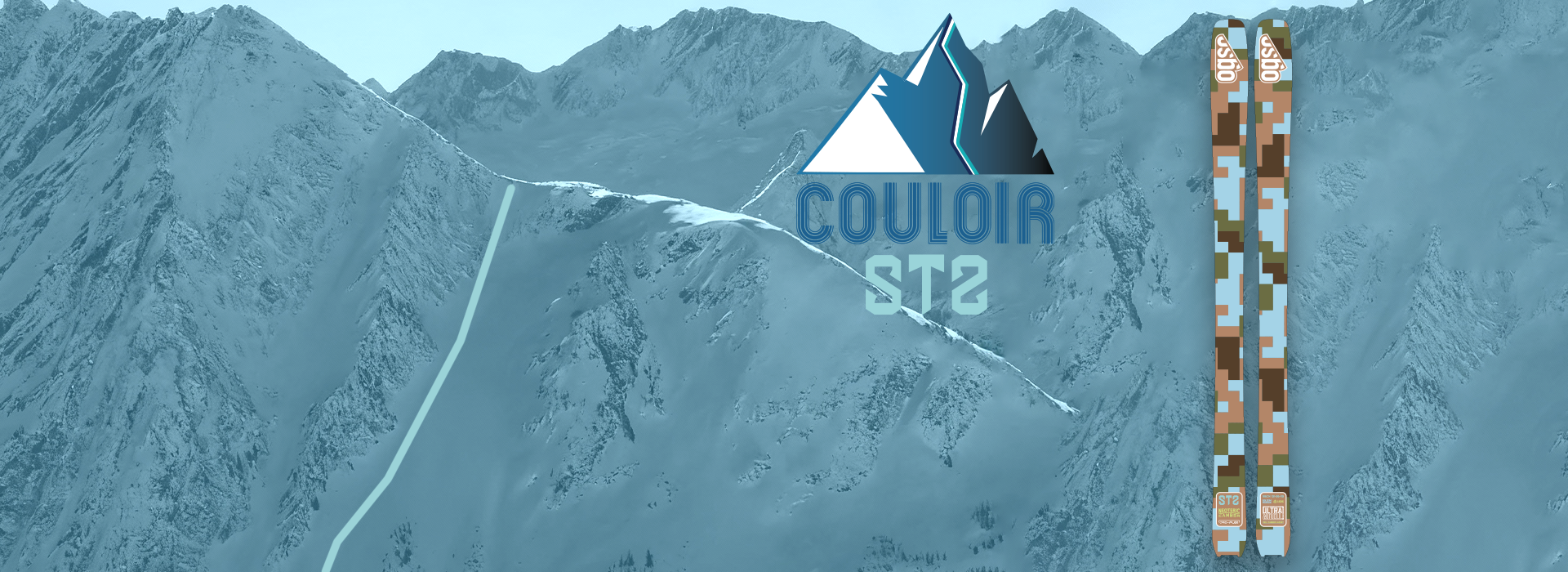
The STS Couloir: A Challenging Descent on Cheops Mountain in Canada
A Descent Defined by Steep Precision
Located in Canada, on the north face of Cheops Mountain in British Columbia’s
Glacier National Park, the STS Couloir is a serious and highly respected line.
Starting around 2,380 meters (≈7,808 feet) and descending to roughly
1,800 meters (≈5,900 feet), it provides about 580 meters
(≈1,900 feet) of vertical. With a slope angle reaching up to 50 degrees,
this couloir requires strong technical ability and confident skiing.
A Couloir of Pure Continuity
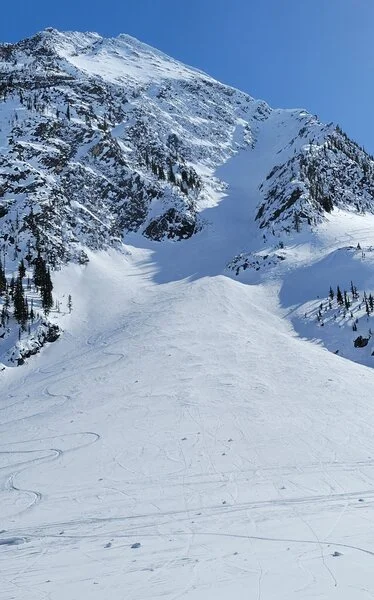
The entrance is steep and direct, dropping immediately into a continuous, uninterrupted fall line.
There are no easy breaks or wide shelves. This is a sustained descent that demands precision and focus from the
very first turn to the last. The walls form a natural corridor, guiding skiers through one of the
most iconic steep lines in the region.
Getting There: An Alpine Approach in Glacier National Park
Access starts in the Rogers Pass area, followed by a skin or hike through classic alpine terrain
to reach the couloir’s entrance. The approach embodies the true Canadian Rockies experience and sets the tone
for a serious, rewarding descent.
Snow, Season, and Real Conditions
The best skiing conditions usually occur from February through April, when the snowpack is more stable.
Expect around 580 meters (≈1,900 feet) of vertical and slope angles that can reach
50 degrees. Snow quality can vary widely, from deep powder to firm alpine chalk, adding to
the couloir’s dynamic character.
Difficulty: A Test of Technical Skill
We rate the STS Couloir around 8 to 9 out of 10 in difficulty. It requires
strong technical skiing, solid avalanche knowledge, and full confidence on
steep terrain. This is not a casual descent.
Why the STS Couloir Matters
The STS Couloir stands out as one of the signature steep lines in Glacier National Park.
It is known for its steep, continuous nature and its ability to challenge even experienced backcountry skiers.
For those seeking a serious test on an iconic Canadian descent, the STS is a must ski.